
Choosing the right pruning tool in 2026 requires more than comparing battery voltage and cutting diameter. A 21V 40mm Electric Pruning Shear can appear powerful on paper, yet real performance depends on blade quality, motor control, battery endurance, and branch condition. A dry grapevine does not behave like a fresh apple branch. Neither does a tool used in a cold orchard.
This buying guide examines the practical details that affect daily work. It considers cutting capacity, trigger response, handle comfort, charging time, safety systems, and replacement parts. It also looks at weight, balance, noise, and maintenance because small inconveniences become tiring after several hours. Product specifications will be checked against realistic pruning tasks, not treated as unquestionable facts. Manufacturer claims can be useful. They are not always complete.
Field experience suggests that the best shear is not automatically the fastest one. A heavier model may cut thick branches well but strain the wrist. A compact model may feel comfortable but struggle near its advertised limit. That trade-off matters. This guide compares suitable options for orchard workers, landscapers, gardeners, and serious home users. It also encourages buyers to verify warranty terms, battery availability, charging safety, and regional service support before purchasing. Some recommendations may need reconsideration as new battery systems appear. Technology changes quickly. Good judgment still matters.
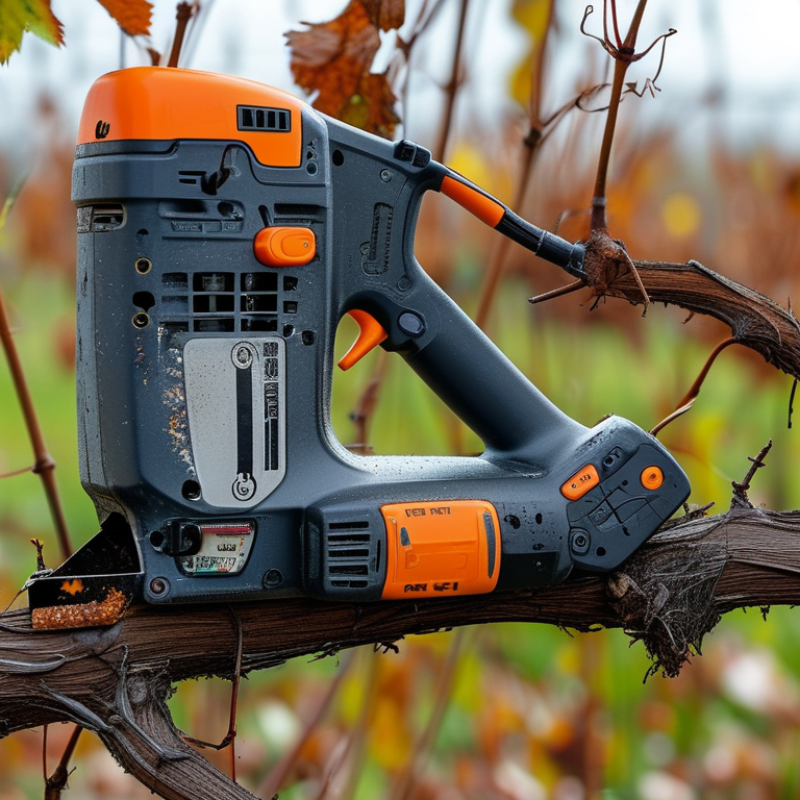
A 21V 40mm electric pruning shear uses a rechargeable battery to power a compact motor and cutting mechanism. The 21V figure describes the battery system’s nominal electrical voltage. It does not directly measure cutting strength. The 40mm figure usually indicates the maximum branch diameter under suitable conditions. That rating matters. Fresh, straight, soft wood is easier to cut than dry, twisted hardwood.
Inside the tool, the motor turns a reduction gearbox. The gearbox increases torque and moves a bypass blade against a fixed blade. When the trigger is pressed, the blades close quickly around the branch. A sharp blade leaves a cleaner cut and reduces crushing near the bark. In practical garden work, I would test branches below the advertised limit first. Real gardens are less tidy. Knots, angled growth, and hidden wire can overload the mechanism.
A useful 21V shear should feel balanced during repeated cuts. Check the handle grip, trigger response, blade adjustment, battery fit, and charger protection. The battery should deliver stable power without excessive heat during normal use. Keep the blade clean, lightly lubricated, and properly tightened. Safety switches help prevent accidental starting, but they do not replace careful handling. One detail is easy to overlook: maximum capacity may fall as the battery weakens. That small gap between laboratory claims and field performance deserves honest attention.
A 21V 40mm electric pruning shear can make dense garden work faster, but its specifications need careful comparison. The stated 40mm capacity usually refers to fresh, soft wood under ideal conditions. Dry or knotted branches may require several cuts. I learned this after choosing capacity by number alone. The result was slower cutting and unnecessary hand pressure.
Check the motor response, blade quality, and cutting adjustment range. A brushless motor often offers smoother operation and improved durability, although performance still depends on calibration and maintenance. Look for hardened, replaceable blades with clean edges. A sharp blade should slice through a branch without crushing its bark. Test the trigger movement, too. It should respond quickly without feeling overly sensitive. Safety matters. A lockout switch, trigger protection, and automatic stop can reduce accidental activation during transport or blade cleaning.
Battery details deserve equal attention. A 21V battery should provide stable output across repeated cuts, not only during the first few minutes. Compare capacity, charging time, weight, and replacement availability. A balanced tool feels lighter when held above shoulder height. Grip texture also matters when gloves become damp. I prefer a shear that remains comfortable after an hour, even if it cuts slightly slower. Noise and vibration can reveal design weaknesses. Excessive vibration may signal poor alignment or a loose blade. Read technical specifications carefully, then inspect real user feedback. Some claims sound impressive, but field conditions are less forgiving.
A 21V, 40mm electric pruning shear suits branches up to about 1.57 inches thick. That capacity fits fruit trees, grapevines, roses, and young landscape trees. It is not a promise of effortless cutting. Hard, dry wood can challenge the motor, even when the branch fits the specification. The FAO’s 2020 Global Forest Resources Assessment reports that forests cover 31% of global land area, highlighting the scale of managed vegetation and careful pruning needs. For live shoots under 20mm, choose a lighter opening and faster cycle. For 20–30mm branches, use the middle range. Reserve 30–40mm cuts for occasional, clean branches.
Experienced users should match diameter with wood condition, not diameter alone. Fresh softwood cuts differently from dense hardwood. A narrow blade opening can also reduce hand fatigue during repetitive orchard work. The International Society of Arboriculture’s pruning guidance recommends removing no more than 25% of a live crown in one operation. Therefore, a powerful shear should not encourage excessive cutting. I have found that rushed cuts often leave crushed edges. That is a maintenance problem later.
Tips: Measure typical branches before buying. Check the stated capacity for fresh wood, not only maximum dry wood. Look for adjustable openings, replaceable blades, overload protection, and a comfortable grip. A 40mm tool may feel heavy after several hundred cuts. Smaller work still matters. Test balance, trigger response, and battery weight together.
For a 2026 21V, 40mm electric pruning shear, battery quality matters more than voltage alone. The IEA’s Global EV Outlook 2024 reported that global lithium-ion battery demand exceeded 750 GWh in 2023. That scale does not guarantee a safe small tool. Look for overcharge protection, thermal monitoring, and a clearly rated charger. Inspect the battery after drops, swelling, or unusual heat. Never charge it beside dry leaves or overnight unattended. Small details matter.
Safety also depends on the cutting system. Choose a trigger lock, blade-closed mode, two-step activation, and automatic shutoff. A 40mm capacity helps only with suitable branches and a sharp blade. Forcing hardwood increases motor heat and hand fatigue. Remove the battery before cleaning, adjusting, or clearing a jam. The U.S. Consumer Product Safety Commission advises using compatible chargers and responding quickly to overheating. I would not treat a generic charger as a harmless shortcut.
Comfort becomes important during repeated cuts. The WHO’s 2022 musculoskeletal health report estimates that about 1.71 billion people live with musculoskeletal conditions. Select a balanced handle, soft grip, low vibration, and manageable weight. Rotate tasks before your forearm loses control. Wipe away sap, lubricate approved points, and keep contacts dry. My imperfect test is simple: after 30 minutes, can I still cut cleanly without squeezing harder? If not, the advertised capacity is beside the point.
Choosing a 2026 21V 40mm electric pruning shear requires more than checking voltage. The 40mm figure usually describes maximum cutting capacity, not every branch. Test the shear on fresh hardwood, dry twigs, and uneven cuts. A clean bypass blade, balanced head, and comfortable trigger can reduce hand fatigue during long pruning sessions. Check whether 21V refers to nominal or fully charged battery voltage. Battery capacity also matters. A larger capacity may extend working time, but it can increase hand and wrist strain. Ask for tested cutting data, charging times, safety features, and replacement-blade availability. Avoid relying on advertising claims alone.
Tips: Carry a branch sample when possible. Check the cut surface after each test. It should look clean, not crushed. Listen for motor hesitation. Excessive noise may indicate poor balance or strain. Review the handle diameter with gloves on. Small details matter. I would also compare the total carrying weight, not only the tool weight. Some models feel light at first, yet become tiring with the battery attached. This is easy to overlook.
For reliable selection, consider your actual pruning conditions. Soft fruit wood needs different performance from mature hardwood. A wide cutting opening is useful, but control at smaller openings may matter more. Inspect blade alignment after repeated cuts. Slight movement can affect precision. One practical weakness remains: published durability tests are not always comparable. Keep notes during your own trial, including branch size, cut speed, battery use, and hand comfort. That record may be more useful than a polished specification sheet.