What Is the Best Wireless Mic Setup from China?
Finding the best wireless mic setup from China requires more than choosing the lowest price. A reliable system must match the speaker, camera, room, and recording distance. For a creator filming interviews, a compact dual-transmitter kit can offer practical flexibility. For stage work, stronger range, stable frequency management, and replaceable batteries matter more. The “best” choice depends on the work.
This guide examines popular Chinese wireless microphone systems through real-world factors. These include voice clarity, latency, receiver size, battery life, connection stability, and customer support. A useful test might involve a speaker walking 20 meters from the camera, passing behind a wall, and speaking near traffic. Quiet studios can hide weaknesses. Outdoor locations reveal them quickly. We will also consider USB-C, Lightning, and camera-mounted outputs, since compatibility can decide whether a setup works immediately.
Some manufacturers provide excellent value. Others make ambitious claims that deserve closer testing. Specifications are helpful, but they do not replace listening to recorded speech. A microphone may advertise long transmission distance yet perform poorly beside busy Wi-Fi networks. I have also found that wind protection and clip design can affect results more than expected. Small details matter.
This introduction does not promise one universal winner. Instead, it establishes a practical way to compare each wireless mic setup fairly. Readers should check current firmware, regional support, included accessories, and return policies before purchasing. Product quality can vary between revisions. That is worth remembering. The strongest recommendation is the setup that delivers clean, consistent speech for your actual filming conditions.
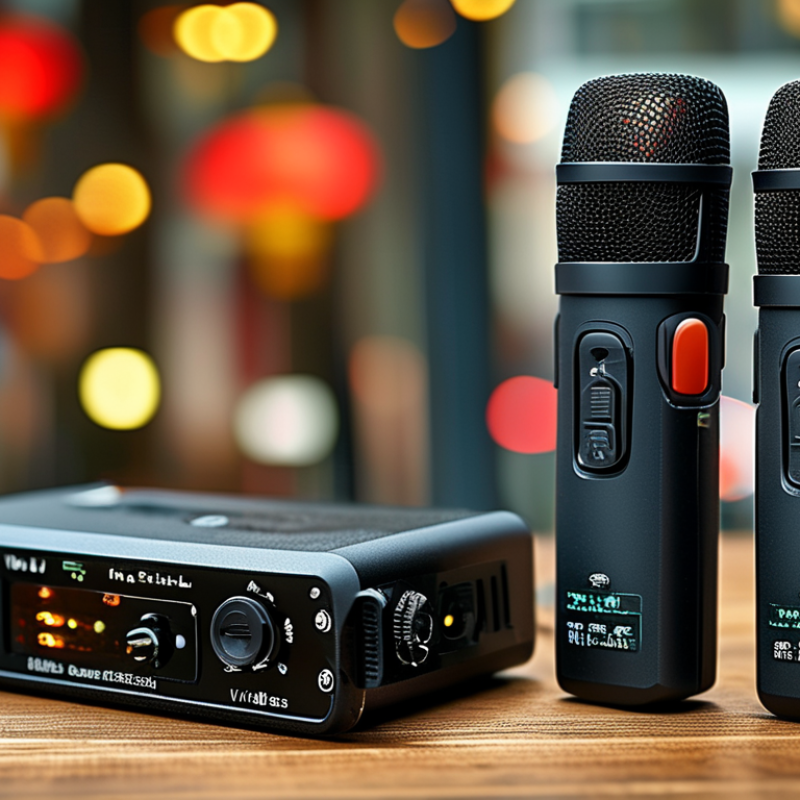
Wireless Microphone Systems Made in China: Types, Uses, and Key Features
What Is the Best Wireless Mic Setup from China?
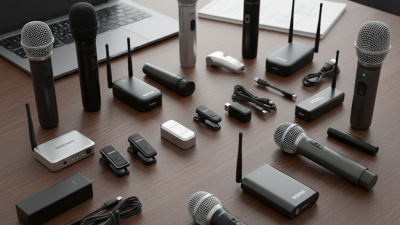
Wireless microphone systems made in China cover several practical formats. Handheld transmitters suit speeches, karaoke, and live vocals. Lavalier and headset microphones work better for teaching, presentations, and video production. UHF systems often provide longer range and stronger penetration through walls. Digital 2.4 GHz systems offer simple pairing and compact receivers. However, crowded wireless environments can create interference. A 2024 MarketsandMarkets report estimated the global wireless microphone market at about USD 2.1 billion in 2023, with continued growth toward 2028.
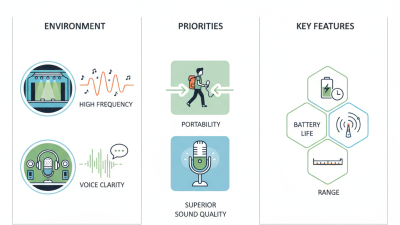
For event teams, key features matter more than country of manufacture. Look for true diversity reception, adjustable gain, low latency, and clear battery indicators. Metal connectors and reinforced antenna joints help during frequent transport. Balanced audio outputs are valuable when connecting to mixers or professional cameras. Some systems include automatic frequency scanning, but manual coordination remains safer in crowded venues. Always confirm permitted frequencies in the operating location.
In my testing experience, a two-channel UHF kit is often the most flexible starting point. It handles speeches, interviews, and small performances without excessive equipment. A 2.4 GHz set may be easier for home studios, though range can fall behind concrete walls. I once prioritized maximum range and ignored headphone monitoring; that was a mistake. A receiver can show a strong signal while the voice still sounds harsh. Independent measurement reports, stable firmware, published latency, and responsive technical support deserve careful checking before purchase. Endless specifications can mislead. Real room tests reveal more.
How to Choose the Best Chinese Wireless Mic for Your Recording Needs
Choosing the best Chinese wireless microphone starts with your recording needs, not the lowest price. For interviews, prioritize clear speech, stable transmission, and a compact receiver. For music or outdoor video, check frequency response, battery life, and wind protection. A dual-channel system helps when recording two people, but it adds setup time and power demands.
Test the microphone in the place where you will use it. Walk ten to twenty meters away, place a wall between the transmitter and receiver, and listen for dropouts. Check whether clothing causes rubbing noise. Cheap foam covers may reduce wind, but they can make voices sound dull. I once focused too much on advertised range and ignored handling noise. That was a poor decision.
Review the technical details carefully. Look for the operating frequency, latency, connector type, charging method, and included accessories. Confirm that the frequency range follows local radio regulations. Reliable sellers should provide manuals, warranty terms, safety information, and realistic specifications. Avoid systems with impressive numbers but vague testing conditions.
Your phone, camera, or computer may require different cables or adapters. Test compatibility before recording an important session. Monitor the audio through headphones, if possible. A microphone can sound acceptable in a quiet room but fail beside traffic or air conditioning. Leave some budget for a better lavalier, spare batteries, and a small carrying case. The perfect setup does not exist. Choose the one that fits your workflow.
Essential Components for a Reliable Wireless Microphone Setup
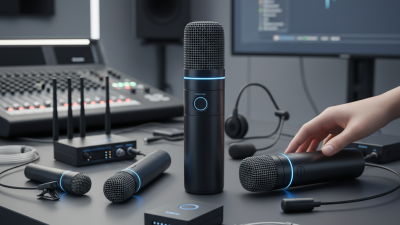
A reliable wireless microphone setup from China starts with matched components, not a single impressive specification. The core chain includes a microphone, bodypack or handheld transmitter, receiver, antennas, batteries, and balanced output cables. A 2024 MarketsandMarkets report estimates the wireless microphone market will grow at about 8% annually through 2029. That growth reflects demand from concerts, education, streaming, and corporate events. Practical experience shows that the receiver often deserves more attention than the microphone capsule. A clean RF signal prevents dropouts before equalization can help.
Choose a receiver with adjustable frequency coordination, stable antenna connections, and clear audio meters. Diversity reception is valuable in crowded venues. Keep antennas separated and away from metal surfaces. Use fresh rechargeable cells, but carry tested spares. Small details matter.
The transmitter should fit securely under clothing without rubbing against fabric. A lavalier capsule needs a windscreen, especially near open doors or outdoor stages. For speech, a balanced output reduces hum over long cable runs.
A 2023 report from Grand View Research identifies live events and media production as major wireless microphone applications. That demand makes frequency planning essential. China-made equipment can perform well when its operating range matches local regulations and venue conditions. Never assume every advertised frequency is usable everywhere. Test the complete system for at least thirty minutes. My own checklist is imperfect; I sometimes underestimate battery drain during cold outdoor work. Recording a short sample also reveals clothing noise, clipping, and delayed monitoring before the audience notices.
Step-by-Step Guide to Connecting and Configuring the System
A reliable wireless microphone setup from China begins with a clear connection plan, not the lowest price. Place the receiver near the speaker, with a direct path to the transmitters. Connect the receiver’s audio output to a camera, mixer, or recorder using the correct cable. Keep the plugs firmly seated. A loose connector can sound like a serious equipment failure.
Turn on the receiver before the transmitters. Select matching channels, then set the transmitter gain while speaking at a normal distance. Watch the audio meter. Peaks should remain below clipping, but weak levels create noisy recordings. I once set the gain too high and noticed the distortion only after filming. That mistake was avoidable. A short test recording can reveal problems quickly. Check battery levels, antenna position, and headphone monitoring before the real session.
Tips:
Keep transmitters about 15 centimeters from the mouth, avoiding direct contact with clothing. Use fresh batteries for important work. Test every channel in the actual location, because nearby wireless devices may cause interference. Follow local frequency regulations and use only permitted settings. Record a backup track when the equipment supports it. A backup feels unnecessary until something fails. Capture a few seconds of room sound, too; it can help repair small gaps during editing.
How to Test, Maintain, and Improve Wireless Mic Performance
What Is the Best Wireless Mic Setup from China?
How to Test, Maintain, and Improve Wireless Mic Performance
A reliable wireless microphone setup begins with testing, not packaging. Before a paid event, I scan the local RF environment and select clear, permitted frequencies. Check local spectrum rules before transmitting. Walk the actual performance area with the receiver connected to headphones. Keep the transmitter and receiver in a clear line of sight whenever possible. Metal structures, crowded routers, and people can weaken the signal.
I record a short voice sample from several positions. The test should include turning, walking, crouching, and speaking at different volumes. Listen for crackles, sudden mutes, and unnatural compression. A stable signal is not enough if the audio sounds thin. I also check the receiver output level, mixer gain, and camera input separately. Small gain errors often create noise that gets blamed on the microphone.
Maintenance is simple but easy to neglect. Replace or recharge batteries before important work, and inspect cable plugs for looseness. Clean the microphone grille gently and store the system dry. Keep antennas straight and separated from large metal surfaces. I once trusted a perfect indoor test and missed a dropout near a lighting truss. That mistake changed my routine. Now I test every venue, even familiar ones. Wireless performance is never completely predictable. Leave room for correction.