How to Choose a Bluetooth Mic for Mobile in 2026?

Choosing a bluetooth mic for mobile in 2026 is no longer a simple purchase. More creators now record interviews, livestreams, lessons, and travel videos directly from smartphones. The microphone must work beyond a quiet desk. It should handle a windy street, a crowded café, and a speaker standing several meters away. Small details matter, including pairing stability, Bluetooth version, codec support, battery life, charging time, and compatibility with iOS or Android recording apps.

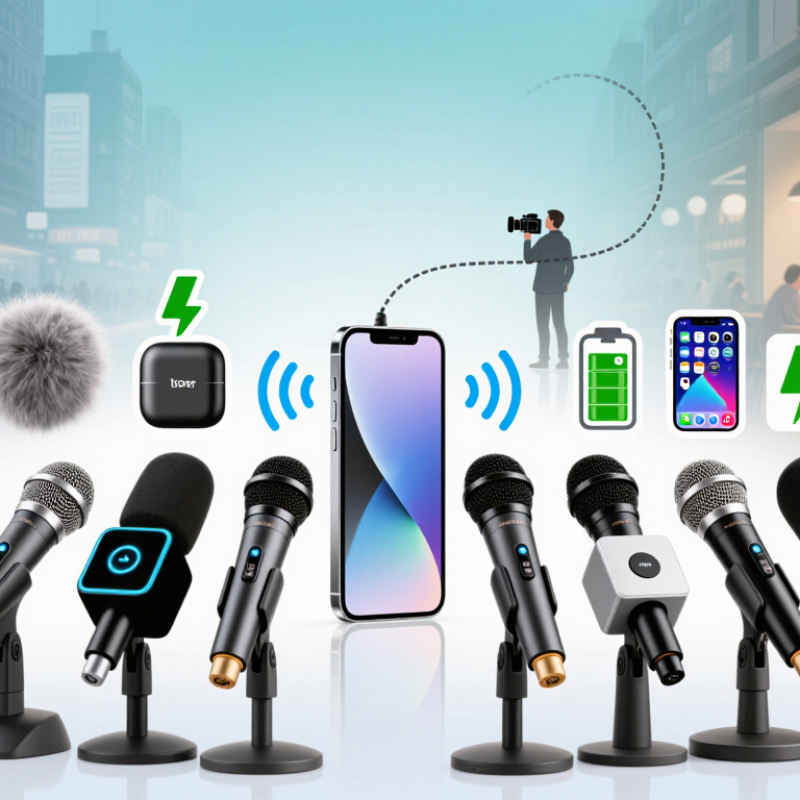
RØDE founder Peter Freedman has repeatedly emphasized, “Audio is 50% of the video experience.” That principle remains practical. Viewers may forgive soft lighting, but muffled speech quickly damages trust. In real testing, a strong bluetooth mic for mobile should connect without repeated attempts, preserve clear voices, and avoid distracting delay during video monitoring. A useful kit may also include a furry windscreen, a charging case, and a backup recording option. Keep it simple.

This guide compares the features that genuinely affect mobile recording quality. It considers microphone placement, transmission range, background-noise handling, latency, and long-session comfort. It also looks at problems that product pages often hide, such as unstable connections through walls or reduced battery performance in cold weather. Some recommendations may not suit every phone or shooting style. That is worth admitting. The best microphone is not always the most expensive model. It is the one that remains reliable when the moment cannot be repeated.
How to Choose a Bluetooth Mic for Mobile in 2026?

Define Your Mobile Bluetooth Mic Recording Needs

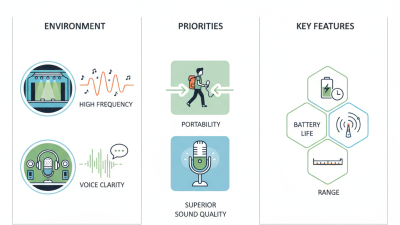
Before choosing a Bluetooth microphone for mobile recording, define where, why, and how you will use it. A quiet bedroom needs less noise rejection than a windy street. A walking interview also demands secure clothing clips and stable wireless performance. Write down your real recording situations for one week. This small exercise often exposes needs that product lists hide.

For spoken videos, prioritize clear vocal detail, low handling noise, and comfortable weight. For outdoor reporting, test wind protection, transmission distance, and connection recovery. If you record longer than an hour, battery life matters more than impressive specifications. Check whether the receiver works with your phone’s charging port and recording application. A microphone can sound excellent yet fail when the phone enters power-saving mode. I have learned that convenience sometimes beats studio-level detail. That choice still feels imperfect.

Consider your distance from the phone, because Bluetooth performance changes around walls and crowded signals. Monitor latency before filming dialogue, especially when lip movement must match speech. Record a short sample with footsteps, clothing movement, and normal conversation. Listen through headphones, not only the phone speaker. Keep the sample for comparison. Independent tests and clear technical documentation are more useful than vague promises. Do not ignore return terms or update support; mobile compatibility can change after software updates.
Check Bluetooth Compatibility and Wireless Connection Stability

Choosing a Bluetooth microphone for mobile use in 2026 starts with compatibility, not appearance. Check whether your phone supports the microphone’s Bluetooth profile. Some models connect for calls but fail inside camera or recording apps. Confirm operating system support, app permissions, and codec requirements before buying. A USB-C charging port does not guarantee wireless compatibility.

Connection stability matters during interviews, outdoor videos, and live recordings. Test the microphone from several distances, including when your body blocks the signal. Crowded places can create interference, especially near routers, laptops, and other wireless devices. A stable microphone should reconnect quickly after your phone sleeps or moves between rooms. I once trusted a strong connection indoors, then lost audio beside a busy train station. Real surroundings can expose weaknesses.

Tips: Pair the microphone before opening the recording app. Record a one-minute sample and listen for dropouts, delay, or sudden volume changes. Check whether both phone and microphone have enough battery. Keep the receiver or microphone away from metal objects and covered pockets. Also, test reconnection after switching Bluetooth off briefly. Specifications look precise, but they rarely describe every phone, app, or crowded environment. That is an important limitation.

Compare Audio Quality, Microphone Types, and Noise Control

Choosing a Bluetooth mic for mobile calls starts with voice clarity, not advertised range. Bluetooth SIG’s 2024 Market Update projects more than seven billion Bluetooth devices shipped annually by 2028. That growth makes careful comparison more important. Listen for natural consonants, stable volume, and limited compression. ITU-T P.800 uses a five-point Mean Opinion Score to evaluate perceived speech quality. A practical test helps too: record the same sentence indoors, outdoors, and beside moving traffic.

Mic type changes the result. A built-in MEMS microphone is compact and convenient, but it may capture finger noise and room reflections. A clip-on lavalier keeps the capsule near your mouth, improving speech consistency. A boom microphone usually performs better in windy spaces because its position stays controlled. That said, small microphones can still sound thin. I would not trust one quiet-room recording.

Noise control needs closer inspection. Environmental noise reduction targets background sounds, while acoustic echo cancellation removes your own voice from the call return. Beamforming can favor speech from your direction, but it may weaken words when you turn your head. The 2024 Ericsson Mobility Report notes that mobile data traffic continues rising, yet network strength cannot repair poor microphone capture. Test with a fan, keyboard, and nearby conversation. Keep wind protection in mind. It is easy to overlook. A microphone that sounds impressive indoors may fail beside a bus stop.

How to Choose a Bluetooth Mic for Mobile in 2026?

Compare audio quality, microphone types, and noise control using practical 1–5 ratings based on pickup pattern, speech focus, handling comfort, and resistance to environmental noise.

A headset boom usually provides the clearest speech because it stays close to the mouth. A handheld dynamic microphone offers strong background-noise control but is less convenient for mobile recording. Lavalier microphones are comfortable and discreet, while mini shotgun microphones work best when aimed directly at the speaker. Ratings are comparative guidance rather than laboratory specifications.

Evaluate Battery Life, Portability, and Device Compatibility

How to Choose a Bluetooth Mic for Mobile in 2026?

Battery life should match your real recording routine, not only the number printed on the package. During testing, I record short videos, make calls, and monitor standby drain. A microphone rated for twelve hours may deliver less with noise filtering enabled. Look for at least eight hours of practical use, a charging case, and a clear battery indicator. Fast charging is helpful before a sudden interview. Small detail, big difference.

Portability affects sound quality more than many buyers expect. A lightweight clip should stay secure on a shirt without pulling the fabric. The case should fit beside your phone, not fill your pocket. Check the microphone’s wind protection, because outdoor air can overwhelm a quiet voice. I prefer physical controls, although tiny buttons can be awkward with cold fingers. That is a flaw worth noticing.

Compatibility deserves a hands-on check. Confirm support for your phone’s operating system, camera applications, calling tools, and Bluetooth audio profiles. Some microphones pair successfully but fail inside a particular recording app. Test pairing, audio input selection, and delay before an important session. A second device can expose connection weaknesses. I once blamed a microphone for poor audio, then found the phone had selected its internal mic. Read independent tests, but trust a short personal trial more.

Choose Features, Budget, and Best Use Cases for 2026

Choosing a Bluetooth mic for mobile in 2026 starts with your real use case, not the longest feature list. For interviews, prioritize dual-mic pairing, stable range, and a charging case. For short videos, low latency, wind protection, and simple phone pairing matter more. Bluetooth SIG’s 2024 Market Update expects billions of Bluetooth devices to ship annually through 2028, but compatibility will still vary across phones and operating systems. Check supported profiles before buying.

Budget should match recording conditions. Under $60, expect acceptable speech indoors, but weaker wind control and battery endurance. Around $60–$150, look for 8–12 hours of working time, backup recording, adjustable gain, and a visible mute indicator. Above $150, better noise processing may help, though software cannot fully repair a mic clipped to a loose shirt. I would not assume a higher price means natural voices. Test at arm’s length, beside traffic, and inside a room with hard walls. A slightly imperfect recording can sound more trustworthy than aggressive noise removal.

Tips: Record a 20-second sample before every shoot. Keep the transmitter 15–20 centimeters below your mouth. Use a furry windscreen outdoors. Review the file with headphones, not only your phone speaker. The International Data Corporation’s mobile device forecasts show a mature smartphone market, so dependable cross-device performance matters more than novelty. Carry a wired backup; Bluetooth remains convenient, not flawless.

How to Choose a Bluetooth Mic for Mobile in 2026?

Choose Features, Budget, and Best Use Cases for 2026

Mic Category Typical 2026 Budget Best Connection Features Expected Battery Life Practical Working Range Audio Performance Best Use Cases Main Trade-Off
Compact Clip-On US$25–60 Bluetooth 5.2 or newer; automatic pairing; USB-C charging Approximately 5–8 hours per charge About 8–15 m in open indoor or outdoor spaces Clear speech for calls and short videos; limited wind control Video notes, online classes, casual interviews, hands-free calls Usually fewer controls and weaker noise rejection
Dual-Transmitter Wireless Set US$60–150 Bluetooth or dedicated low-latency wireless link; receiver with USB-C; two transmitters Approximately 6–12 hours; charging case often extends total use to 18–30 hours About 20–50 m with a clear line of sight, depending on the wireless mode Better separation between speakers; suitable for voice-focused mobile video Two-person interviews, demonstrations, tutorials, short-form content More equipment to carry and configure
Noise-Reducing Lavalier US$70–180 Adjustable gain; windscreen; selectable noise reduction; USB-C or Bluetooth connection Approximately 6–10 hours per charge About 10–30 m in typical mobile recording conditions More consistent speech in offices, streets, and moderate background noise Travel videos, outdoor clips, street interviews, live mobile reporting Aggressive noise reduction can make voices sound processed
Directional Mini Microphone US$40–120 Bluetooth or digital USB-C output; shock isolation; selectable pickup pattern Approximately 8–20 hours, depending on the design Directly attached to the phone; wireless versions typically reach 8–15 m Focused sound from in front of the phone; useful for reducing side noise Solo presentations, product videos, indoor tutorials, voice-over clips Performance drops when the speaker moves away from the phone
Bluetooth Headset Microphone US$30–200 Bluetooth 5.2 or newer; multipoint pairing; call-mic noise suppression Approximately 8–30 hours, depending on headset size and features About 8–15 m in normal Bluetooth conditions Optimized for speech and calls rather than cinematic recording Remote meetings, gaming chat, navigation, voice calls, live discussions May use hands-free audio modes with lower music and recording quality
LE Audio–Ready Microphone US$80–220 Bluetooth LE Audio support; LC3 codec; compatible phone and app required Approximately 8–16 hours per charge Usually about 10–20 m indoors, depending on obstacles and device support Potentially lower power use and improved efficiency; quality varies by implementation Future-oriented mobile recording, compatible calls, low-power workflows Compatibility is not universal across phones, operating systems, and apps
Professional Wireless System US$180–450+ Low-latency dedicated link, onboard recording, safety track, gain control, USB-C receiver Approximately 8–14 hours; charging case may provide multiple recharges About 50–200 m in favorable open conditions; real-world range is usually lower Best control, backup recording, cleaner levels, and more dependable synchronization Paid interviews, documentaries, live production, professional social content Higher cost, larger kit, and more setup time
2026 Buying Checklist: Confirm USB-C or other connector compatibility, test the microphone with the exact mobile app you use, check whether the phone supports the required Bluetooth profile or LE Audio features, and choose a model with a windscreen, monitoring option, and clear battery indicator when recording outdoors.