How to Choose the Best Classroom PA System for Your School?
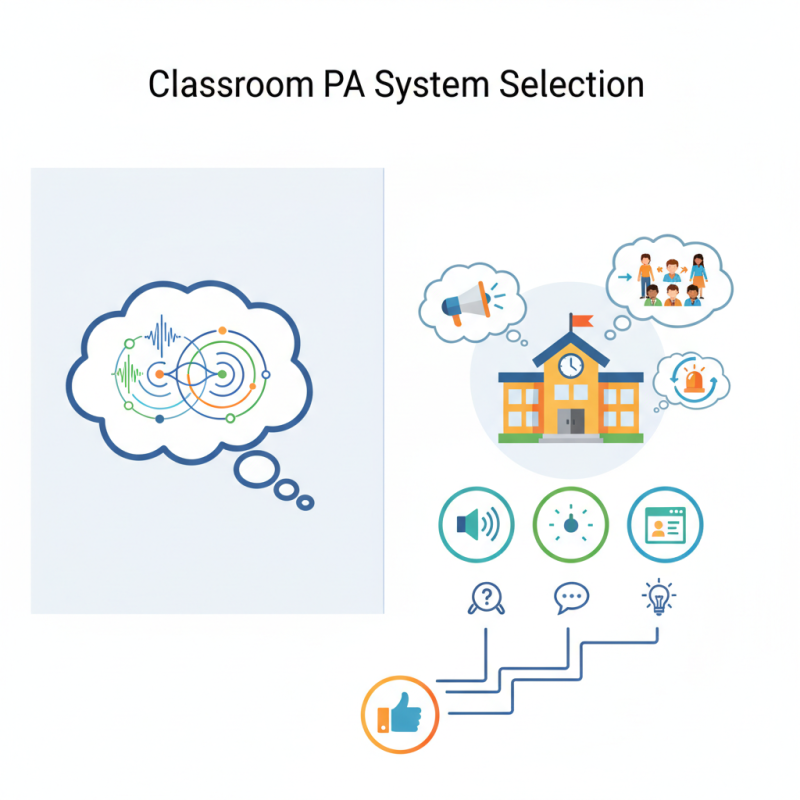
Choosing the right classroom PA system can greatly enhance communication in schools. According to John Smith, an expert in educational technology, "The right PA system connects the school community." Schools must assess their unique needs before making a decision.
A classroom PA system is vital for announcements and emergencies. It serves to unify students and staff. However, many schools overlook crucial features like clarity, volume control, and ease of use. Investing in a high-quality system can foster engagement and learning.
Despite its importance, some decisions may lack careful evaluation. Schools may rush into purchasing without adequate research. It's essential to seek feedback from teachers and staff. A PA system should not just be functional; it should support a positive learning environment.
Types of Classroom PA Systems: A Comparative Overview
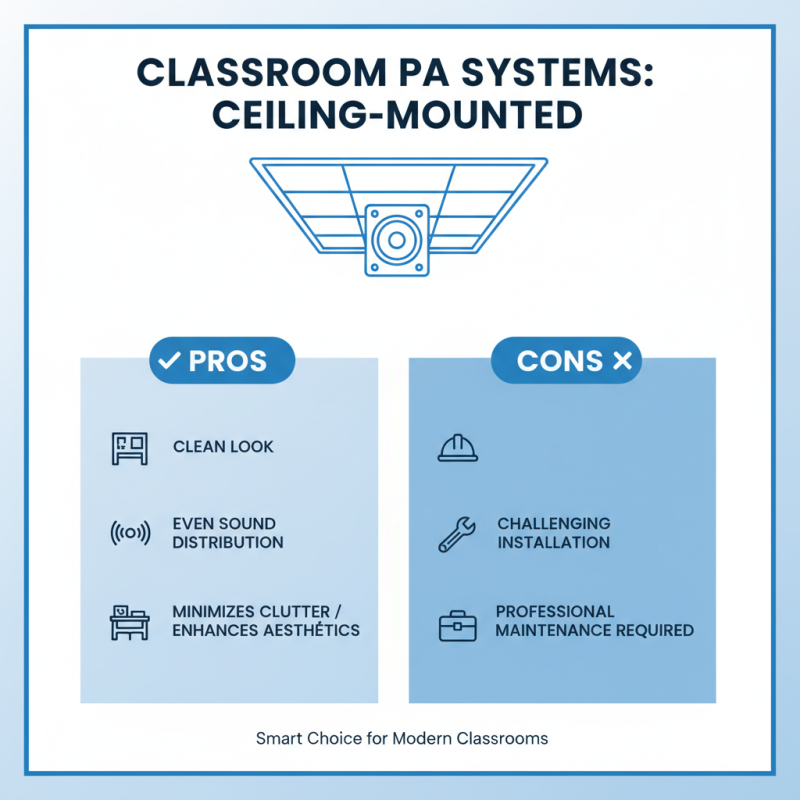
When selecting a classroom PA system, it's essential to understand the different types available. Ceiling-mounted systems offer a clean look. They distribute sound evenly throughout the room. This type minimizes clutter and enhances the aesthetics of the classroom. However, installation can be a challenge, and maintenance may require professional assistance.
Portable PA systems provide flexibility. They are easy to move between classrooms. This is ideal for schools with a variety of room sizes and shapes. However, sound quality might not match ceiling systems, particularly in larger spaces. Users often find that these systems are less powerful. Battery life is also a concern, especially during longer school days.
Lastly, intercom systems are perfect for communication. They allow quick announcements throughout the school. However, they can be limiting when it comes to sound quality in larger areas. Some teachers find it hard to hear in noisy environments. Each system has strengths and weaknesses, making it crucial to assess specific classroom needs.
Key Features to Consider in Selecting a PA System for Schools
When selecting a PA system for schools, there are several key features to consider. The clarity of sound is crucial. You want announcements to be heard clearly, even in noisy environments. Look for systems with good sound quality that distribute audio evenly throughout the classroom. Check if they offer adjustable volume settings. This flexibility is essential for different situations.
Ease of use is another important feature. Teachers should find the system intuitive, regardless of their tech skills. A simple interface can minimize mistakes during crucial moments. Think about portability as well. Some systems are bulky and difficult to move. A lightweight, compact design facilitates ease of transport within the school.
Lastly, consider integration capabilities. A system that connects easily with existing technology can save time and effort. It should work well with microphones, speakers, and other devices. However, not all systems will meet this criterion. Testing compatibility beforehand is wise. Reflect on your school's specific needs and choose carefully.
Understanding the Importance of Sound Quality in Educational Settings
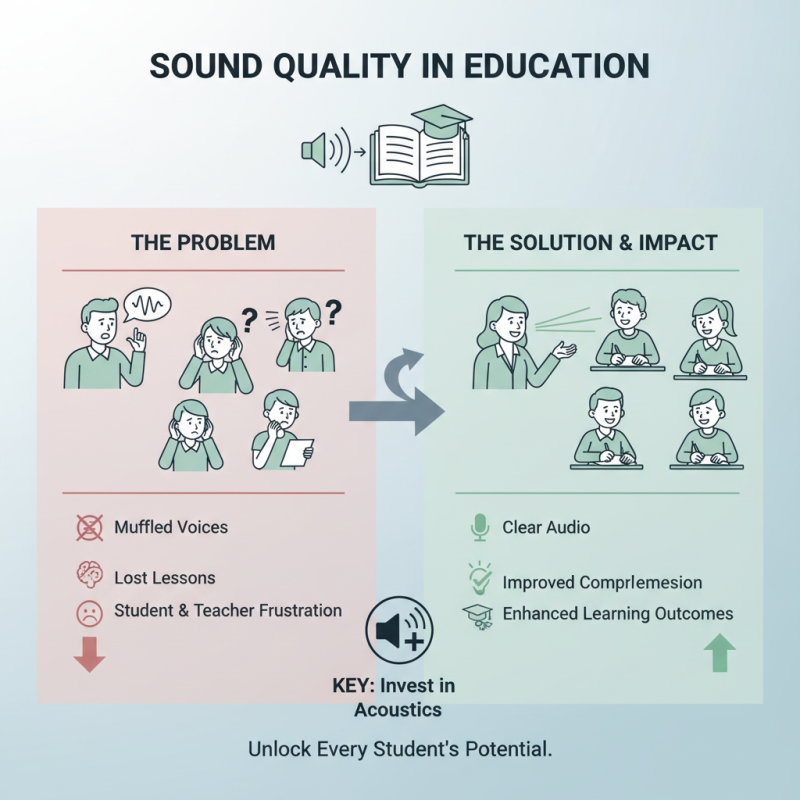
Sound quality plays a crucial role in educational settings. It impacts how students absorb information. Clear audio ensures that every word spoken by the teacher reaches every corner of the classroom. Many schools underestimate this importance, leading to frustration among both educators and students. A muffled voice translates to lost lessons and confusion.
When considering a classroom PA system, think about the acoustics of the space. Rooms with high ceilings and hard surfaces can create echoes and distort sounds. This can make listening challenging. A well-placed speaker can address these concerns, enabling better sound distribution. Investing in a quality system is not merely an upgrade; it’s an essential step toward enhancing the learning environment.
Moreover, educators need to reflect on their own vocal habits. They might speak too softly or too quickly, compounding any sound quality issues. Training on effective communication can amplify the system's benefits. It's a team effort: technology and teaching styles must work together for optimal student engagement.
Evaluating PA System Cost vs. Long-term Value for Schools
When evaluating a PA system for schools, it's essential to consider cost versus long-term value. Schools often face budget constraints that make upfront costs a significant factor. However, a low-cost system may lack critical features, leading to higher expenses later. Schools might save money now, but they risk overspending on repairs and replacements down the line.
It's also crucial to assess the system's lifespan. A durable PA system may come with a higher initial price. Yet, it typically offers better sound quality and reliability. Consider the technology involved. Some systems allow for easy upgrades, while others may become obsolete. Reflecting on your school’s specific needs helps ensure that the investment pays off in the years to come.
Lastly, involve teachers and staff in the decision-making process. Their insights can shed light on practical needs, which can sometimes get overlooked by decision-makers. A system that fails to meet educational goals may prove wasteful. Finding the right balance between cost and value is challenging but necessary for long-term success.
Classroom PA System Cost vs. Long-term Value Analysis
This bar chart compares the initial cost and estimated long-term value of different classroom PA systems. While the initial cost is important, the long-term value indicates the investment's overall effectiveness and durability.
Compliance with Safety Standards and Regulations in PA Systems
When selecting a classroom PA system, safety compliance is crucial. Systems should follow local and national regulations. The National Fire Protection Association (NFPA) states that all emergency communication systems must meet specific safety standards. A recent survey found that nearly 70% of schools reported issues with their current systems not meeting these requirements. This can lead to severe consequences during emergencies.
Tips: Regularly check for updates on safety codes. Involve your school staff in these assessments. They can offer valuable feedback on safety concerns.
It’s important to understand that not all PA systems are created equal. Many schools prioritize cost over compliance, which can lead to dangerous gaps in safety. For instance, systems without proper sound levels may fail to alert everyone during an emergency. According to research, effective communication can reduce panic. Yet, some classrooms still lack adequate coverage. Reflecting on these points can guide better decisions.
Tips: Look for systems that provide clear sound across the entire facility. Engaging students and staff in discussions about safety preparations can also enhance readiness.
How to Choose the Best Classroom PA System for Your School? - Compliance with Safety Standards and Regulations in PA Systems
| Feature |
Importance |
Recommended Standard |
Compliance Status |
| Sound Quality |
High |
ANSI/ASA S12.60-2010 |
Compliant |
| Coverage Area |
Medium |
ASTM E2231 |
In Progress |
| Ease of Use |
High |
ISO 9241-11 |
Compliant |
| Emergency Functionality |
Critical |
NFPA 72 |
Compliant |
| Durability |
Medium |
ISO 9001 |
Compliant |