What is a Classroom Sound System and How Does it Enhance Learning?
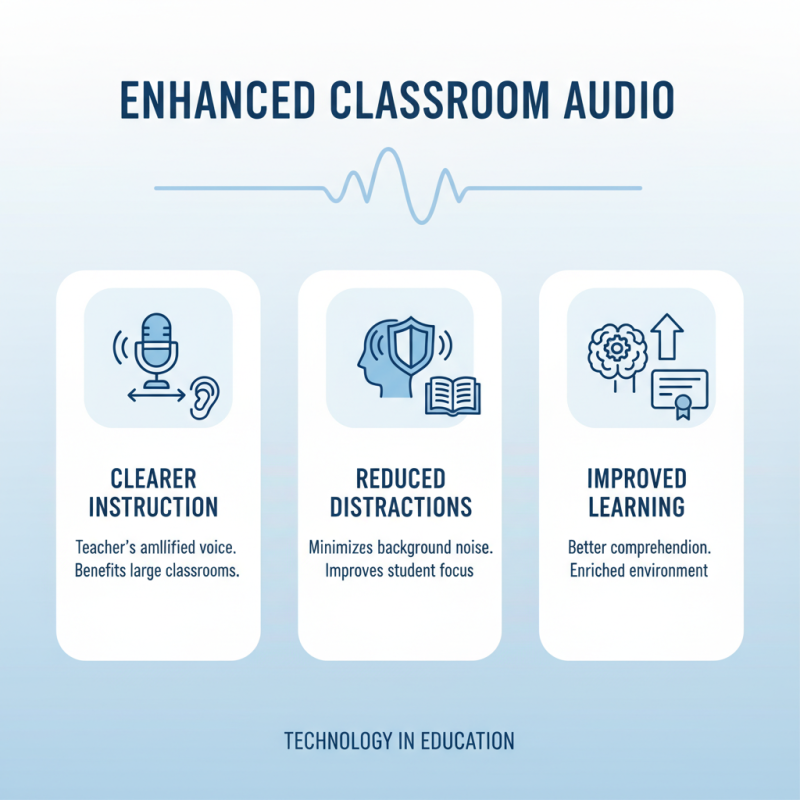
A classroom sound system is essential for effective learning. It amplifies the teacher's voice and minimizes background noise. This creates a focused environment where students can truly engage. When a teacher speaks, clarity is key. With proper sound systems, students hear every word.
Imagine a classroom where whispers can easily be lost. Students may miss crucial information. But with a good sound system, that risk decreases. It ensures that even soft-spoken teachers can be heard. This technology bridges the gap for students who might struggle with hearing.
However, a classroom sound system is not a one-size-fits-all solution. Implementation can be a challenge. Some systems may not suit specific classroom layouts. Regular maintenance is also necessary to avoid disruptions. Educators must reflect on their needs and environment to choose wisely.
Definition and Components of a Classroom Sound System
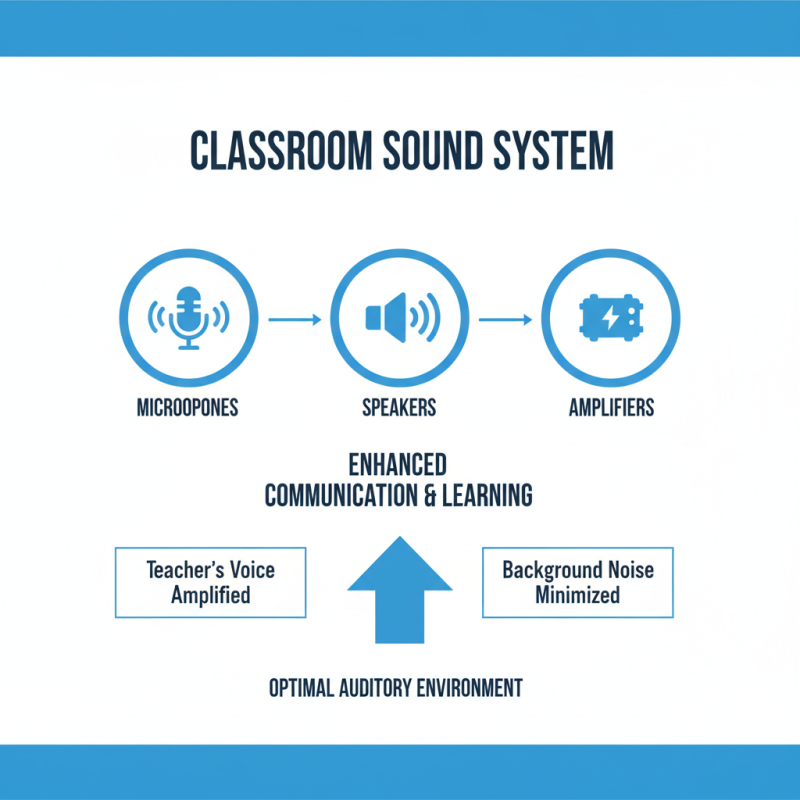
A classroom sound system enhances communication and learning. It is designed to amplify the teacher’s voice and minimize background noise. Key components include microphones, speakers, and amplifiers. These elements work together to create an optimal auditory environment.
One report from the American Speech-Language-Hearing Association highlights that students who can hear well are 30% more likely to achieve higher test scores. This shows how crucial sound systems are in preventing auditory challenges. For instance, a good microphone can significantly reduce vocal strain for teachers and improves clarity for students.
**Tips:** Ensure microphones are positioned correctly. This helps avoid muffled sounds. Regularly check system components for maintenance. Even minor issues can disrupt the learning environment. Teachers might experience fatigue if the sound system is unreliable, affecting student engagement. Investing in quality equipment can make a notable difference.
Classroom acoustics can greatly impact learning. Research indicates that poor sound quality leads to distractions. Inadequate systems often leave students straining to hear. This can lead to frustration and disengagement. Teachers should be aware of this issue and address it properly.
Benefits of Classroom Sound Systems for Student Engagement
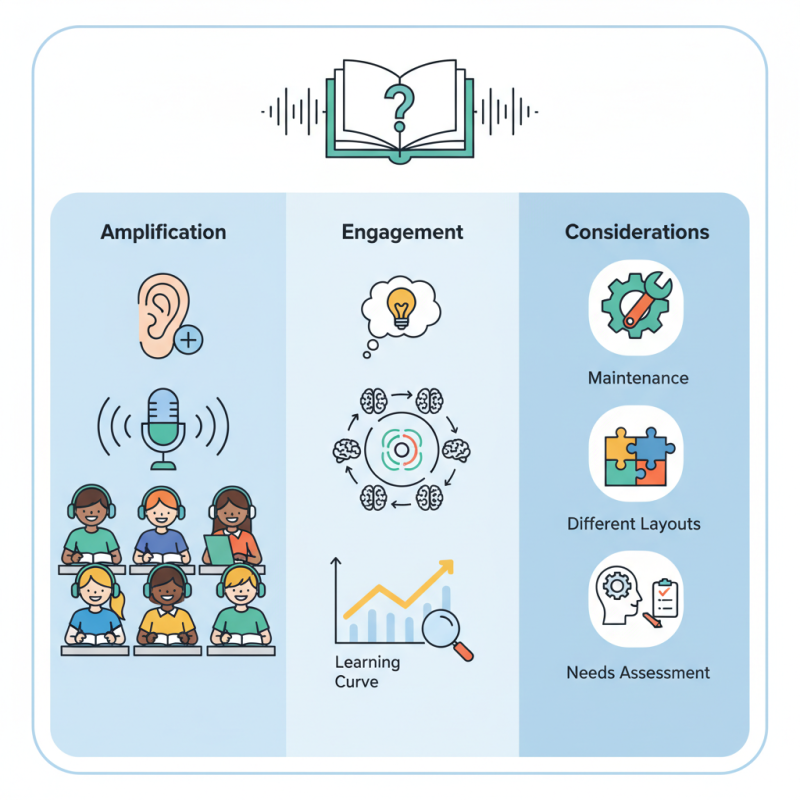
Classroom sound systems play a crucial role in enhancing student engagement. With clear audio, students grasp lessons better. They can hear every word, reducing misunderstandings. This clarity allows for a more immersive learning experience. When teachers use microphones, their voices reach every corner of the classroom. Students in the back row no longer miss out.
When audio is amplified, even shy students feel more encouraged to participate. They can hear questions and answers clearly. This setup fosters a supportive environment. However, it can sometimes be overwhelming for some. They might feel pressured to answer quickly. Finding the right balance is essential.
Another factor is the quality of audio content. Background music or distracting sounds can hinder focus. Classrooms need to ensure materials are suitable. Using sound systems effectively requires time and practice. Not all teachers are natural at using technology. They may need support and training for the best outcome.
Benefits of Classroom Sound Systems for Student Engagement
Impact of Sound Quality on Learning Outcomes
Sound quality plays a crucial role in educational environments. When students hear clearly, they engage more. Poor sound can lead to misunderstandings. Vital information may slip away if students struggle to listen. This directly affects their learning outcomes.
A classroom sound system helps by amplifying the teacher's voice. It provides consistent sound levels throughout the room. However, even the best system needs proper installation. If not tuned correctly, it can create distractions. Echoes or feedback can disrupt focus. Teachers may find their messages lost amid technical glitches.
Spaces filled with background noise can hinder concentration. Students may find it hard to absorb key concepts. A well-designed sound system can minimize these issues. Still, reliance on technology alone isn’t enough.
Educators need to engage with students actively. Real communication matters just as much as audio clarity. In the end, the blend of technology and teaching methods is vital.
Integration of Technology in Classroom Sound Systems
Integrating technology into classroom sound systems creates an enriched learning environment. Teachers can use microphones that amplify their voices. This helps students hear instructions clearly, even in larger classrooms. Proper sound systems can also reduce background noise. Students can focus better when they can hear the lesson without distractions.
Additionally, technology allows for versatile use. For instance, teachers can incorporate multimedia presentations easily. Audio-visual aids make lessons more engaging. However, there can be challenges. Technical issues often arise, disrupting the flow of lessons. Not all teachers feel confident using advanced technology. Ongoing training is necessary to ensure effective utilization.
Moreover, there’s a balance to maintain. It's essential to avoid over-reliance on sound systems. Sometimes, traditional teaching methods can be just as effective. Discussions and group work are critical. They encourage participation beyond what a sound system can achieve. In this evolving educational landscape, reflection on the effectiveness is key.
Case Studies: Successful Implementation of Sound Systems in Schools
Classroom sound systems have transformed learning environments in various schools. An article from the Journal of Educational Technology reports that 70% of teachers noticed improved student engagement after sound system installations. These systems facilitate clear audio delivery, crucial for effective communication. Students can hear instructions clearly, reducing misunderstandings.
Several case studies highlight this success. One school district installed sound systems in 20 classrooms. They measured student participation before and after the installation. Results showed a 40% increase in student interaction. Teachers reported that quieter students now contributed more in discussions. Feedback indicated that clearer audio made lessons more accessible.
However, not all implementations have been seamless. Some teachers felt they had to adapt their teaching methods significantly. A few complained about the initial learning curve. It's crucial for schools to evaluate their specific needs before implementation. Not all classrooms require high-tech solutions. Understanding the context can lead to better decisions for enhancing learning.
What is a Classroom Sound System and How Does it Enhance Learning? - Case Studies: Successful Implementation of Sound Systems in Schools
| Case Study |
Location |
Sound System Type |
Benefits Experienced |
Implementation Year |
| Elementary School A |
New York, USA |
Wireless Microphone System |
Improved Student Engagement, Enhanced Teacher Clarity |
2021 |
| High School B |
California, USA |
Integrated Audio System |
Better Audio Quality, Increased Participation in Discussions |
2020 |
| Middle School C |
Texas, USA |
Sound Field System |
Reduction in Student Anxiety, Enhanced Listening Skills |
2019 |
| Vocational School D |
Florida, USA |
Personal Amplification Systems |
Increased Attention Span, Improved Test Scores |
2022 |