Essential Tips for Choosing the Right Classroom Speaker?
Choosing the right classroom speaker is crucial for effective learning. According to a study by the Educational Institute, 70% of teachers believe audio quality directly impacts student engagement. A good classroom speaker can enhance clarity, making it easier for students to absorb information.
However, many educators underestimate the importance of audio equipment. They often choose based solely on price, overlooking factors like sound distribution and compatibility. In classrooms, acoustics can vary significantly, affecting performance. Research indicates that poorly chosen speakers can lead to distractions and reduced concentration levels.
Investing in a quality classroom speaker can transform the learning experience. Clear audio fosters an inclusive environment, enabling all students to participate. Yet, it's essential to reflect on specific classroom needs. What works for one teacher may not help another. Understanding these nuances can lead to better choices.
Understanding the Importance of Choosing the Right Classroom Speaker
Choosing the right classroom speaker is crucial. It's not just about sound quality. The speaker affects engagement, attention, and learning experiences. An effective speaker can make lessons more captivating. A poor choice could lead to distractions and frustration.
Think about the size of your classroom. A small room may not need high power. Yet, clarity should be a priority. Look for features like Bluetooth and compatibility with other devices. Consider the audience too. Students vary in age and learning styles. What works for one group might not suit another.
Try testing different options. Pay attention to the speaker’s setting and placement. Test clarity in the back row and front. A common mistake is overlooking volume control. Too loud can be as distracting as too soft. Reflect on how the speaker will influence your teaching methods and students' learning outcomes. Choose wisely.
Identifying Key Features to Look for in Classroom Speakers
Choosing the right classroom speaker involves several key features. First, consider sound quality. Clear audio is vital for effective communication. Speakers should deliver crisp sound across different volume levels. Poor quality can distract students and hinder learning.
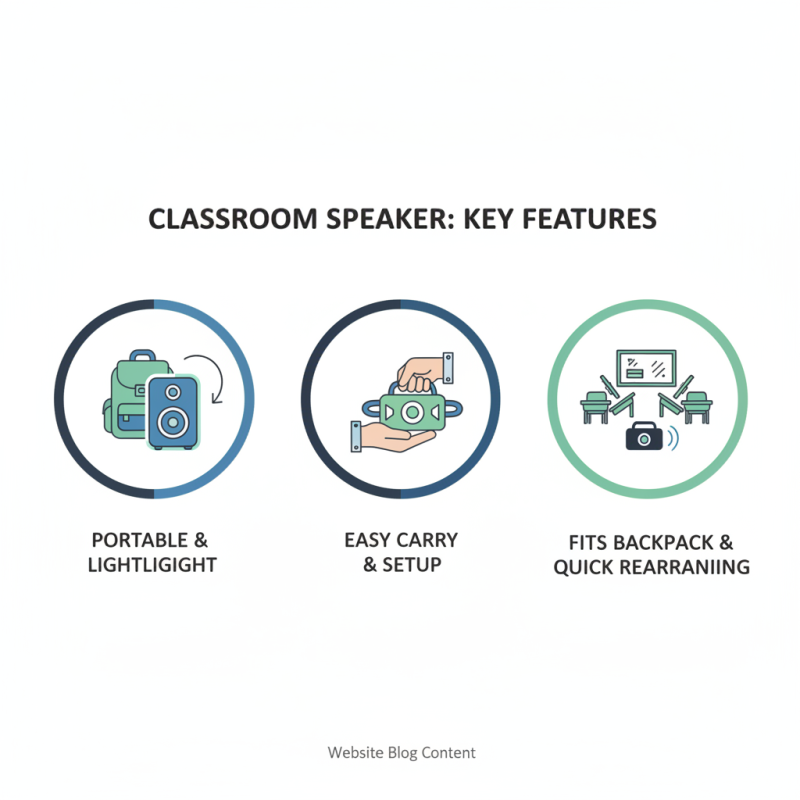
Next, look for portability and size. Classroom spaces vary widely. A compact speaker can be easily moved and adjusted for different setups. However, small doesn't always mean powerful. Ensure it has enough wattage to fill the room adequately.
Connectivity options matter too. Many modern classrooms use diverse technologies. Bluetooth compatibility allows for easy pairing with various devices. Yet, connection issues can frustrate teachers. Always check the stability of the connection when making a choice.
Budget constraints also play a role. High-quality speakers can be pricey. Evaluate if the features justify the cost. Sometimes, spending more upfront saves money on repairs or replacements later on. Reflections on your choices can lead to better decisions next time.
Evaluating Sound Quality and Performance Criteria
When evaluating sound quality for classroom speakers, clarity is key. Look for speakers that deliver clear vocals. This ensures students catch every word during lessons. Also, consider the bass response. A weak bass can make audio feel flat. It’s essential to find balance; a speaker with deep bass may overshadow vocals.
Performance criteria are equally important. Check for features like connectivity options. Bluetooth and auxiliary inputs increase versatility. Battery life is another factor. A short battery may disrupt a long class. Sound distribution matters too. Uneven sound can hinder learning. Place speakers strategically for optimal coverage.
Testing speakers in person is invaluable. Listen for clarity at different volumes. Sometimes, the specs don’t tell the whole story. Room acoustics can affect performance. Your classroom’s unique environment impacts sound quality. Experiment with various options. A little feedback helps refine the choice.
Essential Tips for Choosing the Right Classroom Speaker
This chart evaluates important sound quality and performance criteria for classroom speakers, focusing on frequency response, bass response, clarity, and overall performance. Understanding these aspects can help in making informed decisions when selecting the right speaker for an educational environment.
Budgeting for Classroom Speakers: Making Cost-Effective Choices
Choosing the right classroom speaker requires careful budgeting. Start by determining your overall budget. Know how much you can realistically spend without stretching your finances. This will guide your options.
Tip: Research different speaker models. Look for features that fit your classroom needs. Sound quality is critical, but don't forget durability. Some speakers break easily under constant use. Prioritize value over brand names.
Your budget will also dictate additional costs. Consider accessories like stands or cables. These can add up quickly. Remember to factor in maintenance costs too. Sometimes, a cheaper speaker may need more replacements. Reflect on long-term versus short-term savings.
Tip: Read reviews from other educators. They can provide insights into performance and reliability. Invest wisely, and you’ll enhance the learning experience for everyone.
Essential Tips for Choosing the Right Classroom Speaker
| Feature |
Description |
Cost Range |
| Audio Quality |
Clear and balanced sound is crucial for classroom engagement. |
$50 - $300 |
| Portability |
Lightweight and easy to transport for different classroom setups. |
$30 - $200 |
| Connectivity |
Bluetooth and wired options for versatile use with devices. |
$40 - $250 |
| Battery Life |
Long battery life ensures uninterrupted sessions. |
$60 - $350 |
| Durability |
Built to withstand classroom use and occasional drops. |
$50 - $400 |
| Warranty |
Good warranty coverage provides peace of mind. |
$10 - $60 (add-on cost) |