Top 10 Speaker Ceiling Types for Global Buyers

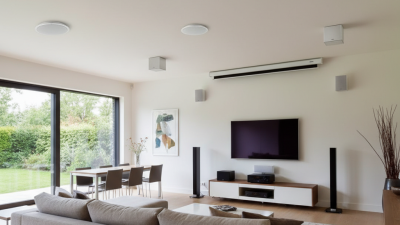
Choosing the right speaker ceiling design affects sound coverage, installation effort, room appearance, and long-term reliability. Global buyers must compare more than wattage or retail price. Ceiling height, construction materials, humidity, fire requirements, and amplifier compatibility can change the final result. A compact coaxial model may suit a bedroom, while an angled model can improve dialogue in a dedicated home theater.

Dr. Floyd Toole, a respected loudspeaker researcher and author of Sound Reproduction, stated, “There is no such thing as a perfect loudspeaker.” His point remains practical. Every speaker ceiling type involves compromises between dispersion, bass response, visibility, installation depth, and cost. This guide examines ten widely used options, including coaxial, angled, stereo-input, invisible, moisture-resistant, shallow-profile, and backbox-equipped designs. Each category serves a different room and buyer priority.

Real installation experience matters. A product that performs well in a showroom may sound uneven beneath a concrete ceiling. Dust, insulation, and poor positioning can also reduce performance. Measurements help, but they do not replace careful listening. That is an uncomfortable limitation.

Some recommendations may remain subjective. Regional standards and installer practices also differ. Buyers should verify technical documents, warranty terms, cutout dimensions, and local compliance requirements before ordering. The strongest choice is rarely the most expensive one. It is the model that matches the room, the listener, and the installation conditions. This overview offers a practical starting point, not an absolute ranking.
Top 10 Speaker Ceiling Types for Global Buyers

Understanding Speaker Ceiling Types and Their Core Differences

Top 10 Speaker Ceiling Types for Global Buyers

Understanding Speaker Ceiling Types and Their Core Differences

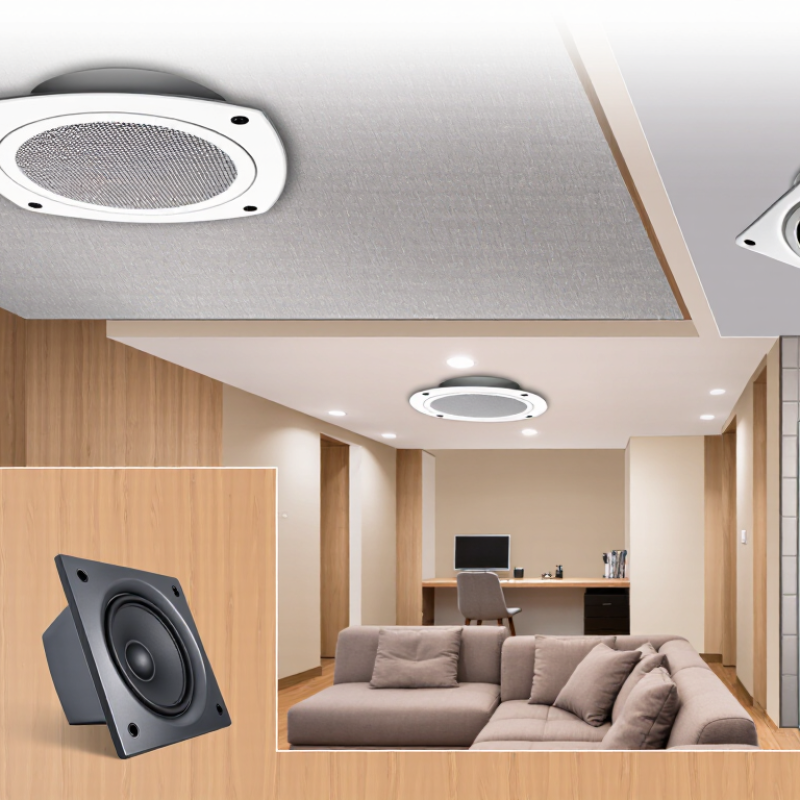
Ceiling speakers differ in structure, sound direction, and installation demands. Common types include in-ceiling, flush-mount, angled, coaxial, two-way, three-way, stereo-input, moisture-resistant, architectural, and pendant ceiling speakers. Each design solves a different room problem. A flush-mount model sits neatly against the ceiling, while a pendant model hangs lower for wider sound projection. Coaxial speakers place multiple drivers together, creating compact full-range audio. Two-way and three-way designs separate frequencies more clearly.

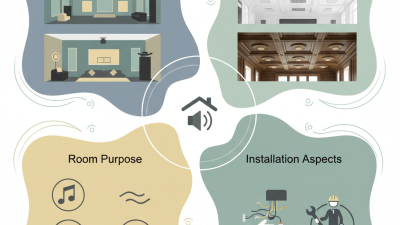
Room shape matters greatly. An angled speaker can direct sound toward seating areas below a high ceiling. Stereo-input models suit bathrooms or narrow rooms where one speaker must deliver left and right channels. Moisture-resistant types are safer for humid spaces, but they still need suitable ventilation and installation practices. Architectural models may use paintable grilles, helping them blend into white ceilings. However, appearance can distract buyers from sensitivity, impedance, and power handling. These specifications affect amplifier matching and long-term reliability.

Tips: Measure ceiling depth before ordering. Check joist positions, cutout size, and cable routes. For large rooms, test coverage rather than counting speakers alone. I have found that sound can become uneven near walls, even with expensive-looking designs. That result is easy to overlook. Acoustic treatment and careful placement often matter more than selecting the most complex speaker type. Local electrical standards should also be reviewed before installation, especially in commercial properties.
Top 10 Speaker Ceiling Types for Global Buyers

Understanding Speaker Ceiling Types and Their Core Differences

The chart compares common ceiling speaker formats using typical continuous power-handling ranges and nominal coverage angles. Coaxial and two-way models are versatile for general music, wide-dispersion designs cover larger listening areas, in-ceiling subwoofers provide low-frequency reinforcement, and voice-alarm models prioritize speech intelligibility and system compliance. Values are indicative market-typical specifications; actual performance varies by enclosure, driver size, amplifier settings, and installation height.

Comparing In-Ceiling, Pendant, and Surface-Mounted Speaker Designs

Top 10 Speaker Ceiling Types for Global Buyers

Global buyers usually compare three designs: in-ceiling, pendant, and surface-mounted speakers. In-ceiling models offer the cleanest appearance and suit hotels, offices, and retail spaces. However, they need accurate cutout measurements, ceiling depth, and fire-rated installation details. A poor layout can create loud spots and weak coverage.

Pendant speakers hang below the ceiling, improving sound distribution in rooms with high ceilings or exposed services. They are practical for restaurants, warehouses, and open-plan offices.

Surface-mounted speakers install faster and simplify maintenance. They also work well when the ceiling cannot be cut. Their visible cabinets may affect interior design, though. Small details matter.

Grand View Research estimates the global loudspeaker market will grow at about 7.5% annually from 2024 to 2030. AVIXA’s 2024 Industry Outlook and Trends Analysis also identifies commercial AV investment as a continuing growth area. These reports support demand, but they do not replace room-specific testing. I have seen attractive ceiling systems fail because installers ignored reverberation and background noise. A careful buyer should compare coverage angle, sensitivity, power handling, moisture resistance, and certification requirements. Not every “ceiling speaker” fits every ceiling.

Evaluating Sound Coverage, Power, and Installation Requirements

Top 10 Speaker Ceiling Types for Global Buyers

Evaluating Sound Coverage, Power, and Installation Requirements

Choosing a ceiling speaker is not only a question of appearance. Global buyers should compare ten common types: flush-mount, coaxial, two-way, low-profile, pendant, tile-bridge, directional, moisture-resistant, fire-rated, and modular-array designs. Each creates a different balance between coverage, output, and installation effort. A flush-mount model suits even ceilings. Pendant units can lower sound toward open work areas. Directional speakers help in long corridors, where wide dispersion may waste energy. Coverage comes first. Not wattage alone.

For sound coverage, check dispersion angles, sensitivity, and the room’s height. A 90-degree pattern may leave weak spots in a wide cafeteria. Several lower-power speakers often sound more even than two loud units. Rated power must match the amplifier’s impedance or transformer setting. In commercial systems, calculate tap levels carefully, then leave modest headroom for speech peaks. More power is not automatically better. Excess output can create harsh reflections from glass, stone, and metal.

Installation requirements can change the purchase completely. Flush and tile-bridge designs need accurate ceiling cuts, support hardware, and cable access. Fire-rated units may require approved enclosures and documented installation methods. Moisture-resistant speakers suit covered outdoor areas, but they still need protection from direct water unless specifically rated for it. Pendant and modular arrays need stronger anchors and visible cable management. Verify local electrical and fire codes before ordering. A specification sheet may look complete, yet it rarely shows the awkward beam, crowded plenum, or missing access panel. That practical gap deserves a site check. I would also question the assumed room layout; drawings are often cleaner than real buildings.

Selecting Ceiling Speakers for Commercial and Residential Spaces

Top 10 Speaker Ceiling Types for Global Buyers

Selecting Ceiling Speakers for Commercial and Residential Spaces

Ceiling speakers vary by room purpose, ceiling structure, and expected listening distance. The ten practical types include coaxial, two-way, three-way, low-profile, angled, moisture-resistant, fire-rated, commercial tile, pendant, and immersive surround models. For homes, coaxial or low-profile speakers usually provide balanced sound without visual clutter. Open-plan offices may need commercial tile speakers with wider coverage and easier maintenance. Restaurants and bathrooms require moisture-resistant construction. Looks matter, but not enough.

AVIXA’s 2024 Industry Outlook and Trends Analysis estimated the global professional audiovisual market at roughly US$329 billion in 2024. This growth reflects stronger demand for integrated workplace, hospitality, and education systems. However, larger projects need more than speaker quantity. Acoustic consultants should check reverberation time against ISO 3382-2 guidance. A powerful speaker can still sound unclear in a glass-walled room. I have seen attractive installations fail because spacing followed the ceiling grid, not the listening area. That mistake is easy to repeat.

Tips: Match sensitivity and impedance with the amplifier. Confirm cutout depth before ordering. Check fire-rating requirements for commercial ceilings. In humid areas, inspect the grille and cone materials carefully. For homes, test speech clarity at the sofa, not only near the speaker. For offices, use lower output levels across more speakers. It often sounds more even. Regional voltage, wiring practices, and local building codes also deserve attention. Manufacturer specifications help, but on-site measurements remain more reliable.

Top 10 Speaker Ceiling Types for Global Buyers - Selecting Ceiling Speakers for Commercial and Residential Spaces

No. Ceiling Speaker Type Typical Configuration Common Mounting Location Typical Coverage Pattern Typical Power Range Moisture Suitability Recommended Applications Main Advantages
1 In-Ceiling Coaxial Speaker One woofer with a centrally mounted tweeter Flush-mounted in suspended or plasterboard ceilings Broad, symmetrical coverage for general listening Usually 20–100 W program power Normally for dry indoor areas; select moisture-resistant models for humid rooms Living rooms, bedrooms, offices, retail spaces, corridors and meeting rooms Clean appearance, simple installation and balanced full-range sound
2 Two-Way In-Ceiling Speaker Separate woofer and tweeter with a passive crossover Flush-mounted between ceiling joists or in modular ceiling panels Wide-range coverage with improved high-frequency detail Usually 30–120 W program power Primarily indoor; weather-resistant versions are available Homes, restaurants, hotels, classrooms, offices and background-music systems Better frequency separation and clarity than basic single-driver designs
3 Three-Way In-Ceiling Speaker Woofer, midrange driver and tweeter Flush-mounted in larger ceiling openings Wide coverage with more controlled midrange reproduction Usually 50–150 W program power Generally intended for dry interior environments Premium residential rooms, hospitality areas, retail zones and distributed audio Detailed vocals, smoother tonal balance and stronger full-range performance
4 Stereo-Input Ceiling Speaker Single enclosure with left and right channels handled by one speaker Compact rooms or locations where only one ceiling cutout is practical Broad stereo-like dispersion from one ceiling position Usually 10–60 W program power Indoor use; damp-location models may be specified when required Bathrooms, hallways, closets, small offices and compact retail spaces Saves ceiling space and maintains two-channel content in small areas
5 Angled-Aim Ceiling Speaker Driver assembly angled toward the listening area Flush-mounted near walls or at the edge of a listening zone Directional coverage aimed at seats or display areas Usually 30–120 W program power Usually for dry indoor installation Home theaters, boardrooms, galleries, restaurants and focused listening areas Improves direct sound delivery and reduces unwanted ceiling reflections
6 Backcan or Enclosed Ceiling Speaker Driver fitted inside a protective rear enclosure Suspended ceilings, open cavities or installations requiring controlled sound More predictable output than an open-back design Usually 20–100 W program power Indoor applications; enclosure material determines damp-area suitability Commercial buildings, hotels, schools, offices and projects with acoustic requirements Protects the driver, limits dust exposure and reduces sound leakage into ceiling voids
7 Fire-Rated Ceiling Speaker Speaker assembly combined with a fire-resistant enclosure or cover Fire-compartment ceilings and regulated commercial interiors Broad distributed coverage, depending on the selected driver Usually 10–100 W program power Designed for indoor building installations; not automatically waterproof Hotels, hospitals, public buildings, schools and multi-unit residential projects Supports building safety requirements and helps preserve ceiling integrity
8 High-Impedance Ceiling Speaker Speaker with an integrated transformer for distributed audio systems Large ceiling networks using centralized amplification Even area coverage for paging and background music Commonly rated for 70 V or 100 V systems Indoor by default; use certified damp-area models where needed Retail stores, offices, transportation areas, schools and public facilities Allows long cable runs, simple zoning and many speakers on one amplifier
9 Moisture-Resistant Ceiling Speaker Sealed or treated components designed for humid environments Bathrooms, covered outdoor ceilings, spas and coastal interiors Usually broad coverage for ambient music Typically 20–100 W program power Suitable for damp locations only when the product certification confirms it Bathrooms, pool areas, kitchens, covered patios and marine-climate properties Better resistance to humidity, condensation and occasional splashes
10 Pendant Ceiling Speaker Enclosed speaker suspended below the ceiling by a cable or stem High ceilings, exposed structures and spaces without suitable ceiling cavities Controlled downward coverage from a visible hanging enclosure Usually 20–150 W program power Indoor models are common; outdoor suitability requires specific protection ratings Warehouses, atriums, restaurants, retail stores and open-plan commercial spaces Works in high or open ceilings and can provide consistent coverage at listener level

Note: Power figures are typical design ranges rather than universal standards. Final selection should be based on ceiling construction, room size, target sound pressure level, amplifier type, fire regulations, moisture exposure and applicable local electrical and building codes.

Matching Speaker Types to Global Buyer Needs and Building Conditions

Top 10 Speaker Ceiling Types for Global Buyers

Matching speaker types to global buyer needs starts with the building, not the product sheet. Flush-mount, tile-bridge, and low-profile speakers suit offices with standard suspended ceilings. Back-can and fire-rated models support projects requiring controlled sound and safer cable routing. Coaxial two-way speakers improve speech and music coverage in classrooms, hotels, and retail spaces. Pendant speakers work better in exposed ceilings, where services remain visible. Directional models can reduce spill between seating zones. High-output units fit transport halls and large public venues. Moisture-resistant speakers are more practical for humid gyms, coastal sites, and covered outdoor areas. Open-back types may lower costs, but they depend heavily on the ceiling void.

AVIXA’s 2024 Industry Outlook valued the global professional audiovisual market at about 332 billion US dollars in 2024. That scale shows why one universal ceiling design is unrealistic. The World Health Organization reports that more than 1.5 billion people live with hearing loss. Clear speech therefore matters as much as loudness. I have found that reflective stone, low ceilings, and noisy ventilation can defeat an otherwise capable speaker. Room testing should include speech intelligibility, coverage gaps, reverberation, and maintenance access. A tidy grille does not guarantee good listening.

Tips: Check ceiling tiles, void depth, humidity, fire requirements, and local electrical practice before selection. Request measured coverage data, not only sensitivity figures. Keep spare tiles and accessible cable routes in the plan. Some projects still choose the cheapest model first. That decision often becomes expensive during commissioning.